HDR photography.
HDR (High Dynamic Range) images "cheat" by combining multiple images of the same scene taken at different exposures.
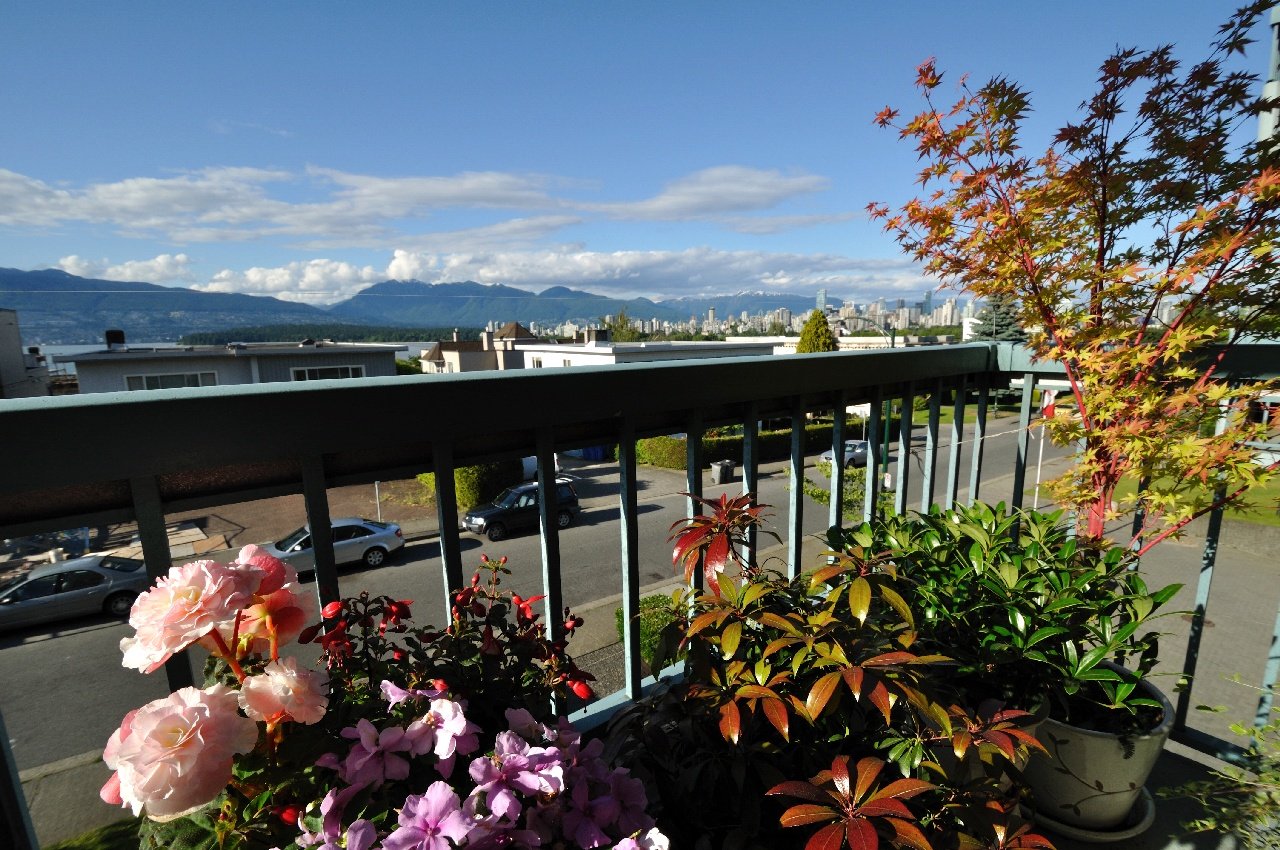
A standard image, like this one here, uses the full range of the digital camera's detector's sensitivity to capture as much of the
lighting variations as possible that occur within the image area. So for this image to cope with the bright petals on the flowers,
and the shaded plants that are much darker, it sacrifices the ability to show the variation in blues in the sky. In this image, some areas
seem too bright, and some too dark.
This HDR image can cope with the entire range of light and dark, with great sensitivity, so every feature seems presented
with a range of colours and brightnesses that were not possible in the standard image above. In this image, no areas seem too bright or too dark. It does help however if
it's not a windy day! This results in some blurring seen on the edges of the flowers.

And here's why: These 6 images were taken in rapid succession, each 2x brighter than the next. So the range
of intensities covered by these 6 images = 2x2x2x2x2 = 32 times the range possible in a single image. From these 6 images, an HDR program then selects the best
part of each image, and combines them into a single HDR image. As you can see, there is greater detail in the clouds,
more shades of blue in the sky, and greater detail in the shaded parts of the picture. I'm sure I'll find a use for this technology from time to time!

Back to 2011 page.